
Hair thinning and hair loss can be emotionally challenging, especially when it starts affecting confidence and appearance. Many people today explore regenerative solutions that support natural hair restoration, and one of the most talked-about options is the Best PRP Hair Treatment in Dubai. This approach is gaining attention because it uses the body’s own natural healing components to support healthier, stronger hair growth without introducing foreign substances.
Understanding what actually happens during this treatment can help set realistic expectations and make the entire experience less intimidating. Let’s explore the process step by step.
What is PRP Hair Treatment?
PRP (Platelet-Rich Plasma) hair treatment is a regenerative procedure that uses a concentrated form of platelets derived from your own blood. These platelets are rich in growth factors that help stimulate inactive hair follicles, improve scalp health, and encourage natural hair regrowth.
The idea behind PRP is simple: support the body’s natural repair system and redirect it toward improving hair density and strength.
How PRP Works for Hair Growth
PRP works by targeting weakened or dormant hair follicles. Once injected into the scalp, the growth factors in the plasma help:
- Increase blood supply to hair follicles
- Extend the growth phase of the hair cycle
- Strengthen existing hair strands
- Reactivate inactive follicles
This makes the scalp environment more supportive for continuous and healthier hair growth over time.
What Happens During PRP Hair Treatment?
Many people feel nervous before trying PRP, but the process is straightforward and minimally invasive. It typically follows three key steps.
Step 1: Blood Collection
The process begins with a small amount of blood being drawn from your arm, similar to a routine blood test. This sample is then prepared for the next stage.
Step 2: Centrifugation Process
The collected blood is placed into a machine that spins it at high speed. This separates the blood into different layers, allowing the platelet-rich plasma to be isolated from other components.
This concentrated plasma contains powerful growth factors that are essential for stimulating hair follicles.
Step 3: Scalp Injection Process
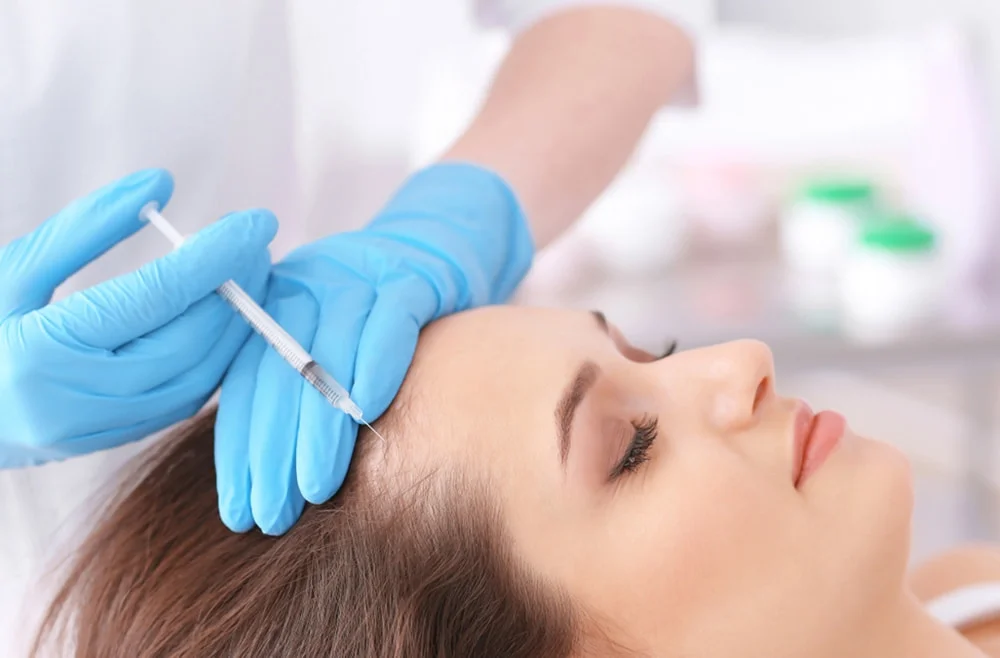
Once the PRP is prepared, it is carefully injected into targeted areas of the scalp where hair thinning or shedding is present. The injections are strategically placed to ensure maximum coverage of affected regions.
This step is relatively quick, and most individuals describe the sensation as mildly uncomfortable but manageable.
What to Expect After PRP Treatment
Understanding what happens after the procedure is just as important as knowing the process itself. Results do not appear instantly, but the scalp gradually begins to respond to the treatment.
Immediate Effects
Right after the session, it is common to experience:
- Mild redness on the scalp
- Slight tenderness in injection areas
- A feeling of tightness or sensitivity
These effects are temporary and usually settle within a short period.
Hair Growth Timeline
PRP works gradually, and visible results typically develop over time. The progression often looks like this:
- First few weeks: Reduced hair shedding
- 1–3 months: Early signs of improved hair texture
- 3–6 months: Noticeable improvement in hair density
- 6+ months: Stronger and fuller-looking hair growth
Consistency plays an important role, as multiple sessions are usually needed for optimal results.
Benefits of PRP for Hair Loss
PRP is widely appreciated because it supports natural hair regeneration without synthetic substances or harsh chemicals.
Natural Process
Since PRP is derived from your own blood, it is considered a natural approach that works with your body rather than against it.
Strengthening Hair Follicles
One of the key advantages is its ability to strengthen weak follicles, making hair less prone to breakage and thinning.
Minimal Downtime
Most people can resume daily activities shortly after the procedure. There is no long recovery period, making it a convenient option for busy lifestyles.
Who is Suitable for PRP Hair Treatment?
PRP is commonly chosen by individuals experiencing:
- Early stages of hair thinning
- Pattern hair loss
- Weak or damaged hair follicles
- Excessive hair shedding
It tends to work best when hair follicles are still active but weakened, rather than completely inactive for a long time.
However, suitability varies depending on individual scalp conditions, so a personalized assessment is usually important before starting treatment.
Possible Side Effects
PRP is generally considered safe because it uses the body’s own biological material. However, like any scalp procedure, some temporary effects may occur, such as:
- Mild swelling
- Temporary soreness
- Light bruising at injection points
- Slight scalp sensitivity
These effects usually resolve quickly without intervention.
Aftercare Tips for Better Results
Proper aftercare can significantly influence how well PRP works. Following simple guidelines helps maximize results and maintain scalp health.
- Avoid washing your hair for at least 24 hours
- Do not scratch or rub the treated area
- Avoid direct sun exposure immediately after treatment
- Stay hydrated to support natural healing
- Follow a gentle hair care routine for a few days
Consistency in aftercare supports better absorption of growth factors and improves overall outcomes.
Final Thoughts
PRP hair treatment is becoming a popular choice for those looking to naturally improve hair density and reduce hair loss without invasive procedures. While results take time, many people find the gradual improvement worth the patience. Understanding what happens during and after the process helps set realistic expectations and allows individuals to approach the treatment with confidence.
With the right care and consistency, PRP can support healthier-looking hair and a more confident appearance over time.