
Choosing between cosmetic and restorative dental treatments can feel confusing, especially when both promise a healthier, more attractive smile. Many patients exploring aesthetic dentistry often come across Dental Veneers in Dubai as a popular solution for improving chipped, stained, or uneven teeth. At the same time, dental crowns remain a trusted option for restoring damaged teeth with strength and durability. Understanding the differences between these two treatments is essential before making a decision that affects both appearance and long-term oral health.
Understanding Dental Veneers
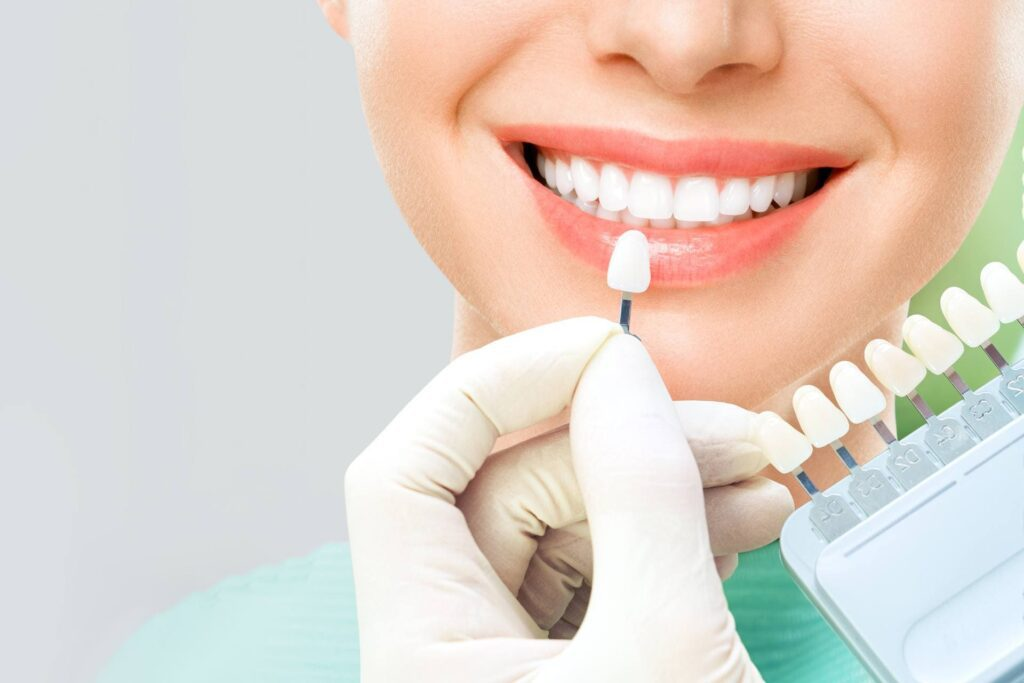
Dental veneers are thin, custom-made shells designed to cover the front surface of teeth. They are typically used to improve the appearance of teeth that are discolored, slightly misaligned, worn down, or unevenly shaped. Veneers are crafted from either porcelain or composite materials, offering a natural look that blends with surrounding teeth.
One of the main advantages of veneers is their ability to deliver a dramatic cosmetic improvement with minimal alteration to the natural tooth structure. Since only a small portion of enamel is removed, the procedure is considered conservative compared to other restorative treatments. Additionally, veneers are highly resistant to staining, making them suitable for individuals who want a long-lasting bright smile. Proper oral hygiene and regular dental checkups can help maintain their appearance for many years.
Understanding Dental Crowns
Dental crowns, on the other hand, are full-coverage restorations that encase the entire tooth. They are commonly recommended when a tooth is severely damaged, decayed, cracked, or weakened after a root canal treatment. Crowns are designed to restore both the function and strength of the tooth while also improving its appearance.
Unlike veneers, crowns require more reshaping of the natural tooth to ensure a proper fit. However, this full coverage makes them significantly stronger and more durable in cases where structural integrity is compromised. Crowns can be made from various materials, including porcelain, ceramic, and metal-based alloys, depending on the patient’s needs and bite pressure. They are especially beneficial for molars and teeth that endure heavy chewing forces.
Key Differences Between Veneers and Crowns
The decision between veneers and crowns often depends on the condition of the tooth and the desired outcome. While both options enhance appearance, their purpose and application differ significantly.
Dental Veneers are primarily focused on cosmetic enhancement. They are ideal for patients who have healthy teeth but want to improve aesthetics such as color, shape, or minor alignment issues. In contrast, crowns are more restorative in nature, providing protection and reinforcement for teeth that have lost significant structure.
Another key difference lies in tooth preparation. Veneers require minimal enamel removal, preserving most of the natural tooth. Crowns, however, involve reshaping the entire tooth to accommodate the cap, which makes them a more invasive procedure.
Durability also varies between the two. Crowns generally offer greater strength and are better suited for high-pressure chewing areas. Veneers, while strong, are more delicate and are best reserved for front teeth where bite force is lower. Ultimately, the choice depends on whether the priority is cosmetic refinement or structural restoration.
Which Option Is Better for You?
Determining the better option depends entirely on individual dental needs. If the teeth are mostly healthy but have minor imperfections such as discoloration or small gaps, veneers are often the preferred choice due to their conservative nature and aesthetic appeal. They provide a quick transformation without extensive alteration of the tooth.
However, if a tooth is weakened, fractured, or has undergone significant decay, a crown is usually the more appropriate solution. Crowns not only restore appearance but also ensure long-term functionality and protection against further damage. Patients with strong bite pressure or a history of dental trauma may also benefit more from crowns.
Lifestyle factors, oral hygiene habits, and long-term expectations also play a role in decision-making. Consulting a dental professional helps evaluate which treatment aligns better with both functional requirements and cosmetic goals.
Choosing Between Veneers and Crowns
When deciding between these two treatments, it is important to consider the balance between preservation and protection. Veneers are best for enhancing natural teeth with minimal intervention, while crowns are designed to rebuild and safeguard compromised teeth. In many cases, dentists may even recommend a combination of both treatments depending on different teeth conditions within the same mouth.
Patient expectations also matter. Those seeking subtle improvements may lean toward veneers, while those needing full restoration may find crowns more suitable. Long-term maintenance, bite alignment, and aesthetic goals should all be discussed before finalizing a treatment plan.
Conclusion
Both veneers and crowns play important roles in modern restorative and cosmetic dentistry, and neither can be considered universally better than the other. The right choice depends on the condition of the teeth and the desired outcome for function and appearance. Clinics like Dynamic Clinic often guide patients through personalized treatment planning to ensure the most suitable option is selected for long-term oral health and confidence in their smile.