
The growing popularity of non-surgical skin rejuvenation has led many people to explore advanced technologies that improve skin quality from within. One such approach is ematrix treatment, which has gained attention for its ability to refresh the skin’s appearance, reduce visible imperfections, and support long-term skin health. Among the most frequently asked questions is whether it actually stimulates collagen production—and the answer lies in how the skin naturally responds to controlled rejuvenation techniques.
Understanding Ematrix Treatment and Skin Rejuvenation
Skin aging is a gradual process influenced by collagen loss, environmental exposure, and natural slowing of cell renewal. Over time, this leads to fine lines, uneven texture, and reduced firmness. Ematrix is designed to address these concerns by working beneath the skin’s surface rather than just improving its outer layer.
How It Works on Skin Layers
Unlike superficial skincare products, this approach targets deeper layers of the skin where collagen and elastin are formed. It uses controlled energy to create micro-injuries in the dermis without damaging the outer skin barrier. This controlled process signals the body to activate its natural healing response.
When the skin senses these micro-injuries, it begins repairing itself by producing fresh structural proteins. This includes collagen and elastin, which are essential for maintaining smoothness, firmness, and elasticity. Over time, this regenerative process contributes to healthier and more resilient skin.
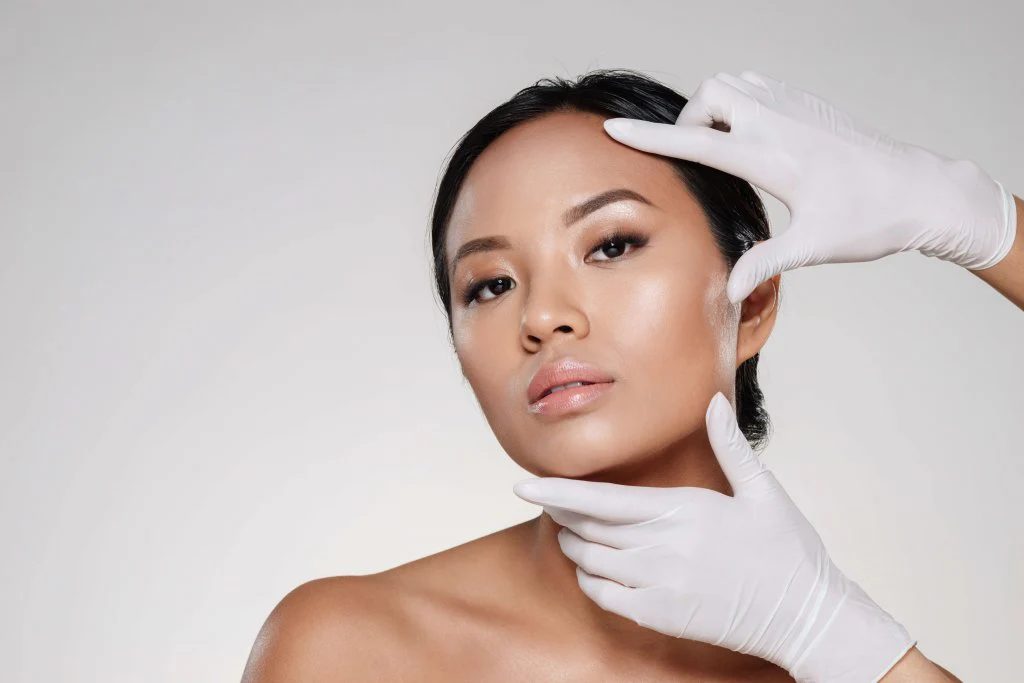
Does It Stimulate Collagen Production?
Yes, one of the primary benefits of this treatment is its ability to encourage the body’s natural collagen production process. Rather than injecting or applying collagen externally, it works by stimulating the skin to rebuild its own support structure.
The Science of Collagen Remodeling
Collagen is a protein that forms the foundation of youthful skin. It provides strength, structure, and elasticity. As we age, collagen production naturally declines, leading to sagging and wrinkle formation.
When controlled energy is delivered into the skin, it creates a thermal effect in the dermis. This effect triggers a biological response known as collagen remodeling. During this process, old and damaged collagen fibers are broken down and replaced with new, stronger fibers.
Over time, this remodeling process helps improve skin density and elasticity. The result is not immediate but gradually develops as new collagen forms in the weeks and months following treatment.
Why Controlled Skin Injury Triggers Healing
The concept behind collagen stimulation is rooted in the skin’s natural repair mechanism. When the skin experiences controlled micro-damage, it perceives it as a signal to heal. This healing response activates fibroblasts, the cells responsible for producing collagen.
Fibroblasts begin generating new structural proteins to repair the treated area. This natural regeneration process is what makes the treatment effective for long-term skin improvement. Instead of masking imperfections, it encourages the skin to rebuild itself from within.
Benefits Linked to Collagen Stimulation
The increase in collagen production is responsible for many of the visible improvements associated with this treatment. These benefits develop gradually, offering a more natural enhancement rather than an instant change.
Improved Texture, Scars, and Fine Lines
One of the most noticeable effects of increased collagen is smoother skin texture. As new collagen forms, the skin becomes more even and refined. This can help reduce the appearance of acne scars, enlarged pores, and rough patches.
Fine lines and early wrinkles also become less visible as the skin gains more structural support. With consistent collagen activity, the surface of the skin appears more youthful and balanced.
Long-Term Skin Tightening and Firmness
Collagen plays a key role in maintaining firmness. As production increases, the skin gradually becomes tighter and more lifted. This tightening effect is subtle but progressive, offering natural-looking improvement without altering facial expression.
Unlike temporary cosmetic effects, collagen remodeling supports long-term enhancement. The skin continues to improve as new fibers strengthen its internal structure over time.
What to Expect After Treatment
Understanding the post-treatment process is important for setting realistic expectations. Since collagen stimulation is a gradual biological process, results develop in stages rather than immediately.
Healing Process and Skin Response
After treatment, the skin may experience mild redness or sensitivity, which is a normal part of the healing response. This occurs because the body is actively repairing micro-injuries beneath the surface.
During this phase, collagen production begins as fibroblasts are activated. Although the initial signs of improvement may not be visible right away, internal regeneration is already underway.
Timeline of Visible Results
Early improvements in skin texture may appear within a few weeks, but collagen remodeling continues for several months. The most noticeable changes typically develop gradually as new collagen strengthens the skin’s structure.
This slow transformation is what contributes to natural-looking results. Instead of sudden changes, the skin becomes progressively smoother, firmer, and more refined over time.
Factors That Influence Collagen Response
Not every individual experiences collagen stimulation at the same rate. Several internal and external factors can affect how the skin responds to treatment.
Age and Natural Collagen Levels
Age plays a significant role in collagen production. Younger skin typically responds faster due to higher cellular activity, while mature skin may take longer to show visible improvements. However, even aging skin can benefit from collagen stimulation with consistent regeneration support.
Skin Type and Condition
Different skin types may respond differently based on thickness, sensitivity, and existing damage. Skin that has experienced sun exposure, acne scarring, or texture irregularities may show more noticeable improvements as collagen rebuilds damaged areas.
Lifestyle and Skin Care Habits
Lifestyle choices also influence collagen development. Factors such as hydration, nutrition, sleep quality, and sun protection can either support or slow down the skin’s healing process. Healthy habits enhance the body’s natural ability to produce and maintain collagen.
The Gradual Transformation of Skin Quality
One of the most important aspects of collagen stimulation is patience. The skin does not rebuild itself instantly; instead, it follows a natural regeneration cycle. As collagen fibers form and reorganize, the skin gradually becomes stronger and more elastic.
This ongoing improvement is what makes the process appealing for individuals seeking long-term skin rejuvenation. Rather than temporary surface changes, it focuses on rebuilding the skin’s foundation for lasting results.
Conclusion
Collagen is essential for maintaining youthful, firm, and healthy skin, and stimulating its production is key to effective skin rejuvenation. By triggering the body’s natural healing response, this approach encourages the formation of new collagen fibers that improve texture, elasticity, and overall skin quality. The process is gradual but meaningful, offering long-term improvements that develop from within. Understanding how the skin responds helps set realistic expectations and highlights why collagen stimulation remains a central benefit of modern skin rejuvenation techniques.