
How dermal fillers interact with skin anatomy layers? is a key question for people exploring modern aesthetic enhancements, especially in the Dubai skincare landscape where precision-based treatments are widely preferred. In fact, interest in dermal fillers in dubai continues to grow as individuals look for science-backed approaches to facial refinement and volume restoration. Clinics such as Dynamic Life Clinic are often associated with informative consultations that help people understand how these treatments align with natural facial structure, without overstatement or exaggeration
Dermal fillers work by integrating with specific layers of the skin, and their behavior depends heavily on where and how they are placed within facial anatomy
Understanding Skin Anatomy Layers
The skin is composed of multiple structural layers, each playing a unique role in support, elasticity, and volume
- Epidermis: The outer protective layer responsible for barrier function
- Dermis: The middle layer containing collagen, elastin, and hydration networks
- Subcutaneous layer: The deeper fat layer that maintains facial fullness and contour
Each layer responds differently to external substances, which is why placement precision is essential in aesthetic procedures
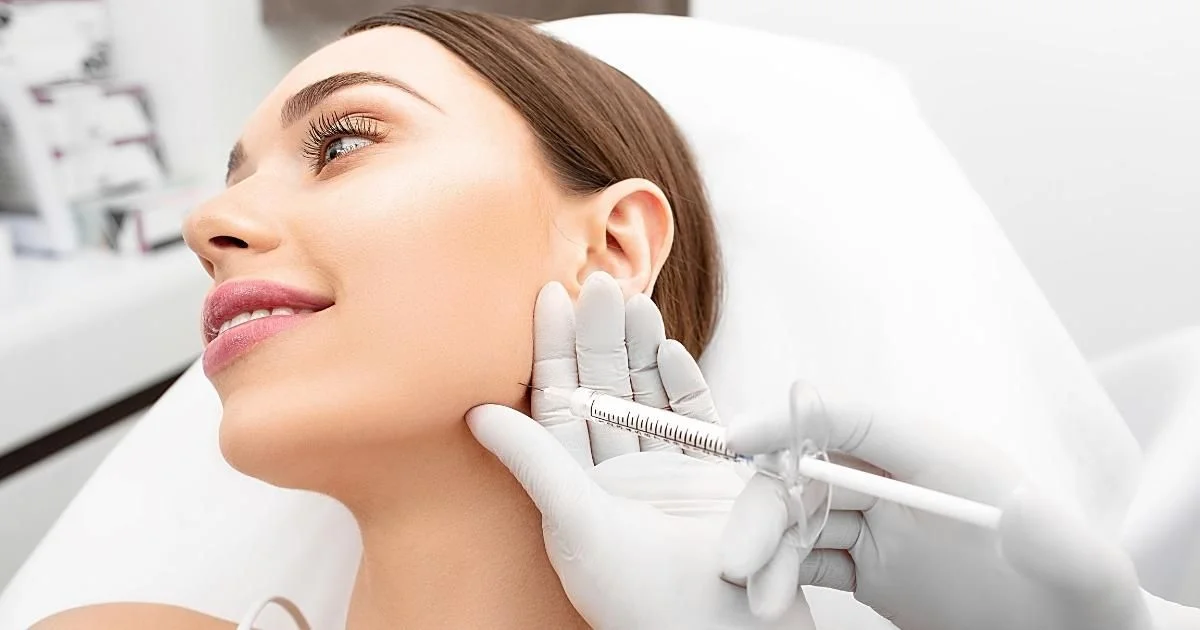
How Fillers Interact with Each Layer
Dermal fillers are designed to mimic or support natural components found within the skin, particularly hyaluronic acid structures that bind moisture and maintain volume
When introduced into the dermal or subcutaneous layers, fillers integrate with tissue rather than sitting independently. This interaction helps restore lost structure caused by aging, environmental exposure, or natural volume depletion
In the dermis, fillers contribute to smoother texture and improved elasticity, while in deeper layers they restore facial contours and support areas prone to sagging
Injection Depth and Placement Strategy
The effectiveness of dermal fillers depends on anatomical precision and depth selection rather than the product alone
Different facial zones require different placement strategies:
- Superficial dermal placement: Used for fine lines and surface smoothing
- Mid-dermal placement: Helps improve moderate wrinkles and folds
- Deep subcutaneous placement: Restores volume in cheeks, chin, and jawline
Understanding facial tension lines and vascular pathways is essential to ensure that fillers integrate naturally with minimal disruption to surrounding tissues
Biological Response and Integration
Once placed, dermal fillers interact with the body’s natural hydration and collagen systems
The skin gradually adapts to the presence of the filler, allowing it to blend with existing tissue structure. Over time, this integration supports a more natural facial expression without rigidity
Key biological responses include:
- Hydration attraction within surrounding tissue
- Stimulation of supportive collagen networks
- Gradual tissue adaptation around the filler matrix
- Maintenance of natural movement in facial expressions
This interaction is what differentiates modern fillers from earlier aesthetic approaches that often lacked subtle integration
Key Factors Affecting Results
Several factors influence how effectively dermal fillers interact with skin layers
- Skin thickness and quality: Thinner skin requires more precise placement
- Facial anatomy variations: Each individual has unique structural differences
- Depth of injection: Incorrect depth can affect symmetry and texture
- Metabolic activity: The body’s natural processing rate influences longevity
- Hydration levels of the skin: Well-hydrated skin responds more predictably
These factors highlight why a detailed anatomical understanding is essential before treatment planning
Conclusion
Dermal fillers interact with skin anatomy layers through a structured integration process that depends on depth, tissue composition, and biological response. Their effectiveness is closely tied to how well they align with the epidermal, dermal, and subcutaneous structures, allowing facial features to be enhanced while maintaining natural expression and balance