
Cheek enhancement has become one of the most sought-after facial aesthetic treatments worldwide, especially among individuals looking to restore youthful facial volume and improve facial contours. Cheek Fillers Injections in Dubai are widely discussed for their ability to create natural-looking lift and definition without surgery. But how do they actually work beneath the skin? Understanding the science, process, and results behind these injections helps clarify why they have become such a popular choice for facial rejuvenation.
Understanding Cheek Fillers Injections
Cheek fillers are minimally invasive injectable treatments designed to add volume, structure, and contour to the mid-face area. They work by placing gel-like substances beneath the skin to restore lost fullness and enhance facial balance.
What Are Dermal Fillers?
Dermal fillers are soft, injectable gels that mimic naturally occurring substances in the body. They are carefully designed to integrate with the skin tissue and provide support where volume has diminished due to aging or other factors. The most commonly used fillers in cheek enhancement are designed to be smooth, moldable, and long-lasting while still maintaining a natural appearance.
These fillers do not alter facial expressions or muscle movement. Instead, they work beneath the skin’s surface to subtly lift and reshape the cheeks.
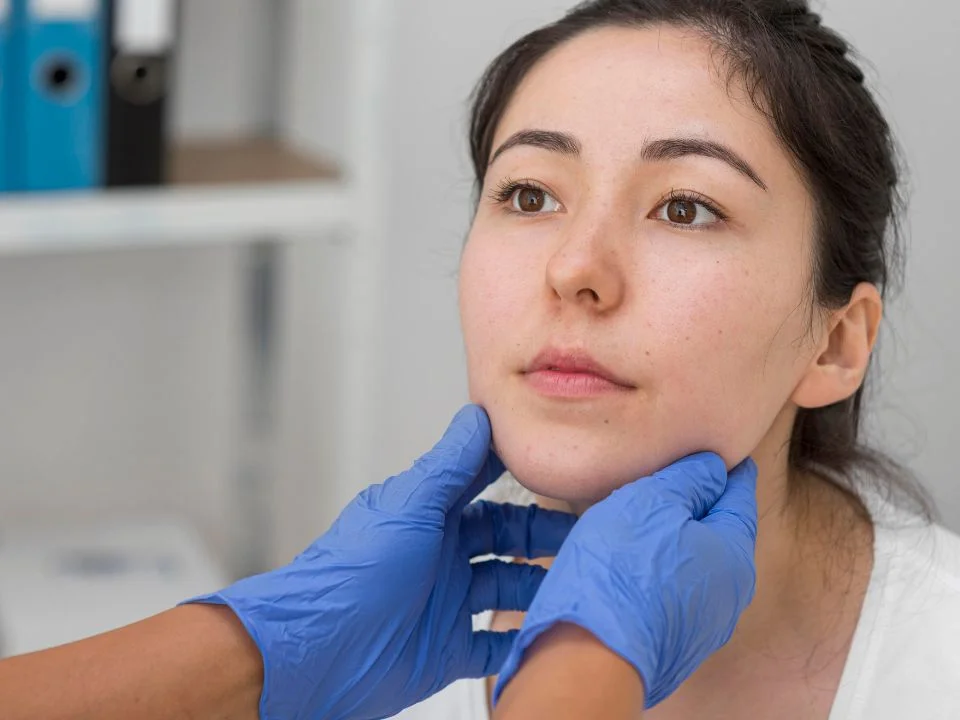
Key Ingredients Used in Cheek Fillers
Most modern cheek fillers are based on biocompatible substances that naturally exist in the body. The most well-known ingredient is hyaluronic acid, a moisture-binding molecule that attracts and retains water within the skin. This helps create a plump, hydrated, and youthful appearance.
Other types of fillers may stimulate collagen production over time, encouraging the skin to gradually rebuild its own structural support. Regardless of type, all fillers are engineered to blend seamlessly with facial tissues.
How Cheek Fillers Work in the Body
Once injected, cheek fillers begin interacting with the skin’s internal structure immediately. Their primary role is to restore volume, but their effects go beyond simple filling.
Volume Restoration and Structural Support
As we age, the natural fat pads in the cheeks begin to shrink and descend. This leads to hollowing, sagging, and less defined facial contours. Cheek fillers replace this lost volume by physically lifting the skin from beneath.
By strategically placing filler in specific areas, the mid-face is gently elevated, which can also improve the appearance of the jawline and under-eye region indirectly.
How Hyaluronic Acid Works
Hyaluronic acid-based fillers bind with water molecules in the skin. This hydration effect creates immediate plumpness and smoothness. Once injected, the gel integrates with surrounding tissues, creating a soft, natural transition between treated and untreated areas.
Over time, the body gradually metabolizes the filler, which is why results are temporary but long-lasting. The duration depends on the type of filler used and individual metabolic factors.
Step-by-Step Process of Cheek Fillers Injections
Understanding how the procedure works step by step can help make the treatment feel more predictable and comfortable.
Facial Assessment and Planning
Before any injection, the facial structure is evaluated to determine areas of volume loss and asymmetry. The goal is not to overfill but to restore balance and harmony to the face. Each cheek is assessed individually to ensure symmetry and natural proportions.
Skin Preparation
The skin is cleansed thoroughly to minimize the risk of infection. A numbing agent may be applied to enhance comfort during the procedure. This helps reduce sensitivity in the treatment area.
Injection Technique
The filler is injected using fine needles or micro-cannulas, depending on the technique used. Small amounts of filler are placed strategically in different layers of the skin, typically along the cheekbone and mid-face region.
The placement is precise, as small adjustments can significantly influence facial contouring. The filler is then gently massaged to ensure smooth distribution and natural blending with surrounding tissue.
Immediate Changes After Injection
One of the most noticeable aspects of cheek fillers is the immediate improvement in facial volume. The cheeks appear more lifted, defined, and youthful right after the procedure. However, initial swelling may slightly exaggerate the results, which settles over the following days.
What Happens After Cheek Fillers Injections?
After the procedure, the body begins adapting to the filler as it integrates with the skin tissue. This adjustment phase is completely normal and part of the overall transformation process.
Swelling and Temporary Side Effects
Mild swelling, redness, or tenderness can occur in the treated area. These effects are temporary and typically reduce within a few days. Some individuals may also experience slight bruising, depending on skin sensitivity.
It is important to avoid pressing or massaging the cheeks during this early healing period unless advised otherwise.
When Final Results Become Visible
Although improvement is visible immediately, the final results usually settle after the swelling fully subsides. This typically happens within one to two weeks. At this stage, the cheeks appear naturally enhanced, smooth, and well-contoured.
Benefits and Expected Results of Cheek Fillers
Cheek fillers offer a range of aesthetic benefits that contribute to overall facial harmony.
Natural-Looking Facial Lift
One of the key advantages is the subtle lifting effect. By restoring mid-face volume, cheek fillers can create a more youthful and refreshed appearance without looking overdone.
Improved Facial Symmetry
Facial asymmetry is common and can be naturally corrected or balanced with carefully placed fillers. This helps create a more proportional and aesthetically pleasing appearance.
Long-Lasting but Flexible Results
The results are not permanent, which allows for adjustments over time. As facial structures naturally change with age, the treatment can be modified to maintain a balanced look.
Safety and Important Considerations
Cheek fillers are generally considered safe when performed with proper technique and appropriate materials. However, understanding individual suitability is essential.
Who Typically Considers This Treatment?
Individuals experiencing volume loss in the cheeks, flattening of facial contours, or early signs of aging often explore this option. It is also popular among those who desire enhanced cheek definition for aesthetic balance.
Aftercare and Maintenance
Aftercare plays an important role in achieving optimal results. Patients are usually advised to avoid excessive sun exposure, strenuous activity, and facial pressure for a short period following the procedure. Staying hydrated and following general skincare guidance can also help maintain results.
Conclusion
Cheek fillers work by restoring lost volume, enhancing facial structure, and improving overall symmetry through carefully placed injectable gels that integrate with natural skin tissues. The process is designed to be minimally invasive while delivering noticeable yet natural-looking improvements. By understanding how they function, individuals can make more informed decisions about facial rejuvenation and appreciate the science behind this increasingly popular aesthetic approach.