
Achieving a healthy, confident smile is a goal many people strive for, and in Dubai, Teeth Straightening and Alignment in Dubai have become increasingly popular. While good oral hygiene and regular dental care play a significant role in maintaining healthy teeth, genetics can have a profound impact on how your teeth develop, how they align, and whether you may need orthodontic treatment.
Understanding the connection between genetics and dental alignment can help you make informed decisions about your oral care and orthodontic options.
The Role of Genetics in Dental Development
Genetics, or the hereditary traits passed down from your parents, heavily influences the size, shape, and alignment of teeth. Key factors determined by genetics include:
Jaw size and shape: A smaller jaw may lead to overcrowded teeth, while a larger jaw may cause spacing issues.
Tooth size and number: Some individuals inherit larger or smaller teeth than average, affecting how teeth fit together.
Bite patterns: Overbites, underbites, and crossbites often have a hereditary component.
Facial structure: Genetics can affect overall facial symmetry, which indirectly impacts teeth alignment.
Because these traits are inherited, children may develop similar dental patterns to their parents, making some alignment challenges predictable.
Common Genetic Dental Traits That Affect Alignment
Certain dental issues are strongly influenced by genetics, including:
Crowded teeth: If the jaw is too small for the teeth, overcrowding occurs, often necessitating orthodontic intervention.
Spacing issues: A larger jaw with smaller teeth can result in gaps between teeth.
Malocclusion: Misalignment of the bite, including overbites, underbites, or crossbites, can run in families.
Impacted teeth: Some people are genetically predisposed to teeth that fail to emerge properly, affecting alignment and requiring corrective measures.
Recognizing these traits early can help in planning timely intervention and prevent long-term dental complications.
How Genetics Affect Orthodontic Treatment
While lifestyle factors such as habits, diet, and oral hygiene influence teeth alignment, genetic factors often dictate the complexity and duration of orthodontic treatments. For example:
Overcrowding due to small jaws may require extraction before braces or aligners can effectively straighten teeth.
Severe overbites or underbites may need specialized orthodontic appliances or even a combination of orthodontics and jaw repositioning.
Slow tooth movement: Some individuals’ genetic makeup can influence how quickly teeth respond to braces or aligners.
Understanding these genetic influences allows orthodontists to customize treatment plans that are efficient and effective for each patient.
Early Assessment: Key to Managing Genetic Alignment Issues
Early detection of potential alignment issues is crucial. Parents in Dubai are increasingly encouraged to schedule orthodontic assessments for their children by age 7. Early evaluation helps in:
Identifying bite and spacing issues before they worsen.
Planning preventative interventions to guide proper jaw and teeth development.
Reducing the overall time needed for braces or other orthodontic treatments.
Even for adults, understanding genetic predispositions can inform the best approach to Teeth Straightening and Alignment in Dubai, ensuring treatment is tailored for long-lasting results.
Lifestyle Factors vs. Genetic Influence
While genetics lay the foundation for dental alignment, environmental and lifestyle factors also play a role. These include:
Thumb sucking or prolonged use of a pacifier in early childhood
Mouth breathing due to allergies or nasal obstructions
Poor oral hygiene leading to premature tooth loss or gum disease
However, even with optimal care, genetic factors may still necessitate orthodontic treatment to achieve a straight, functional smile.
Options for Teeth Straightening and Alignment in Dubai
Dubai offers a wide range of orthodontic solutions suitable for various genetic and dental conditions. Common approaches include:
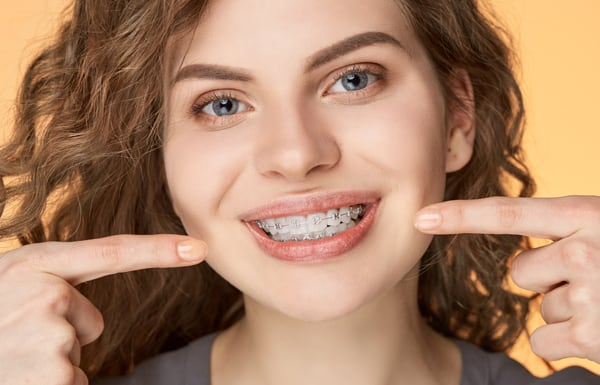
Traditional braces: Metal or ceramic brackets that gradually shift teeth into proper alignment.
Clear aligners: Transparent, removable trays designed to gently move teeth without the visibility of traditional braces.
Retainers: Often used after braces or aligners to maintain alignment, particularly important for individuals with hereditary crowding tendencies.
Specialized appliances: Devices that correct jaw alignment or severe bite issues influenced by genetics.
These options allow patients to address alignment challenges effectively, even when hereditary factors play a significant role.
Embracing a Genetic Perspective for Better Dental Health
Understanding the genetic component of teeth alignment encourages proactive dental care. Knowing your family history can help anticipate potential issues and make informed decisions about orthodontic treatment. For residents in Dubai seeking Teeth Straightening and Alignment, a genetics-informed approach ensures a personalized treatment plan that supports both function and aesthetics.
Conclusion
Genetics significantly influences the alignment and straightening needs of your teeth. From jaw size and bite patterns to tooth crowding and spacing, hereditary traits often determine whether orthodontic intervention is necessary. While lifestyle factors play a role, understanding your genetic predisposition can guide timely and effective treatment.
In Dubai, modern orthodontic options provide versatile solutions to cater to genetic and environmental influences alike, making it possible to achieve a healthy, confident smile for life. Taking a proactive approach and seeking professional guidance ensures your teeth are not just straight but also functionally aligned for optimal oral health.