
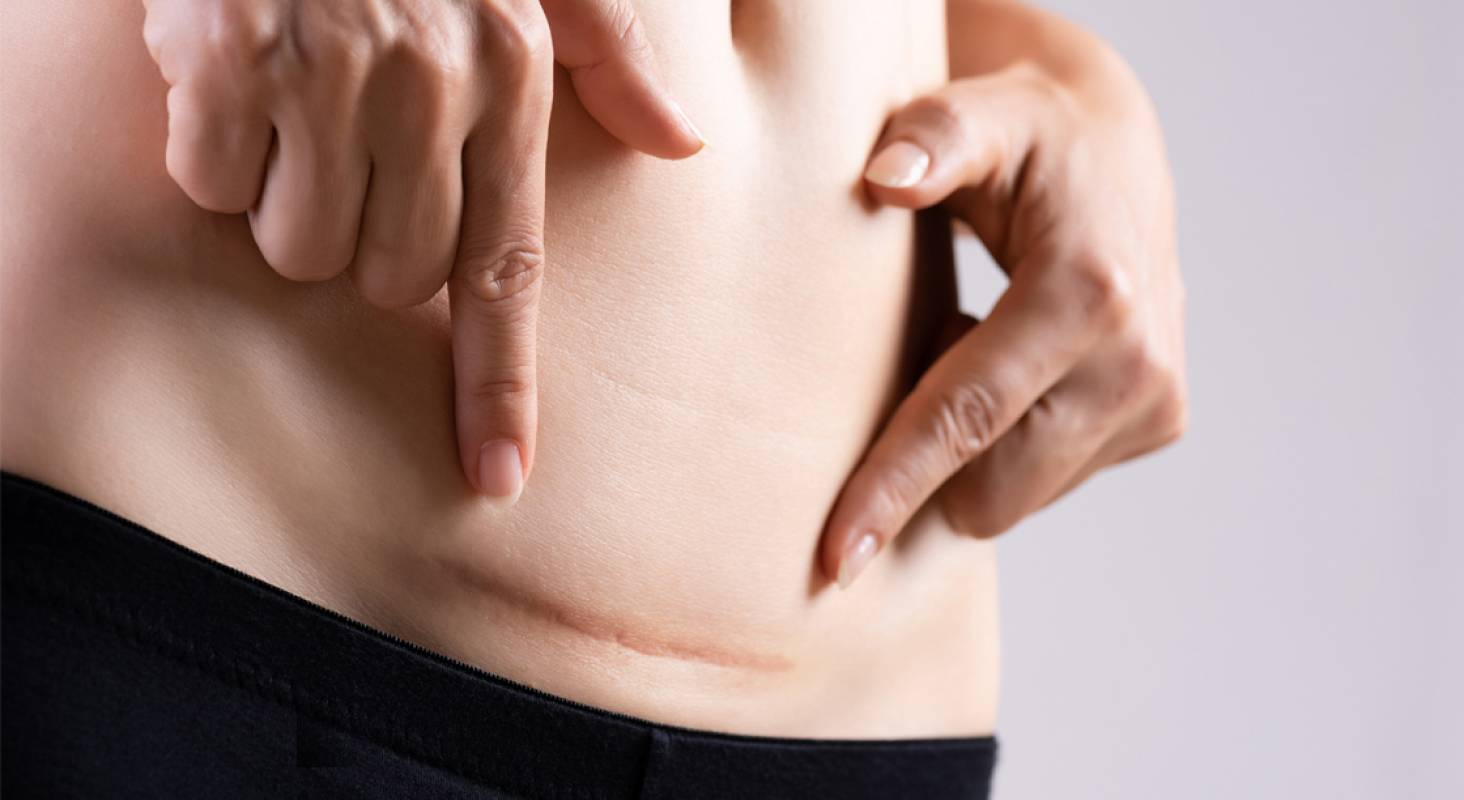
Scars are a natural part of the body’s healing process, but not all scars heal in a smooth or aesthetically pleasing way. Some may appear raised, sunken, widened, or uneven due to how the skin repairs itself after injury or surgery. This is where modern medical techniques like Surgical Scar Revision in Dubai play an important role. By carefully modifying the structure of an existing scar, surgeons aim to improve both its appearance and its integration with surrounding skin.
Understanding how scar revision works begins with a closer look at scar architecture itself and how it changes during the healing process.
Understanding Scar Architecture
Scar architecture refers to the internal structure and arrangement of collagen fibers within scar tissue. When the skin is injured, the body produces collagen rapidly to close the wound. However, this quick repair often lacks the organized pattern of normal skin.
In healthy skin, collagen fibers are arranged in a neat, basket-weave pattern. In scar tissue, however, these fibers tend to form:
- Dense, parallel bundles
- Irregular or disorganized structures
- Thickened or overly rigid layers
This structural difference is what makes scars appear and feel different from surrounding skin. Surgical scar revision focuses on reorganizing or replacing this abnormal architecture to create a more natural appearance.
What Happens During Surgical Scar Revision?
Surgical scar revision is not simply about removing a scar. Instead, it is about reshaping how the skin heals again. When performed carefully, it essentially “resets” the wound healing process in a controlled way.
During Surgical Scar Revision in Dubai, the surgeon may:
1. Remove or Excise Old Scar Tissue
The existing scar tissue is partially or fully removed, especially if it is thick, wide, or uneven.
2. Reposition the Skin
The surrounding skin is carefully realigned to reduce tension. Excess tension is one of the main reasons scars widen or become raised.
3. Re-close the Wound Strategically
The incision is closed using refined techniques that encourage the body to form more organized collagen fibers during healing.
4. Use Layered Closure Techniques
Instead of closing the skin in a single layer, deeper tissues are closed in multiple layers to distribute tension evenly.
These steps help transform chaotic scar architecture into a more structured and refined tissue pattern.
How Scar Architecture Changes After Revision
The main goal of scar revision is to guide the body toward forming healthier, more organized collagen. Over time, the architecture of the scar undergoes several key improvements:
More Organized Collagen Alignment
Instead of thick, irregular bundles, collagen fibers begin to align more evenly, resembling normal skin structure.
Reduced Tension Across the Skin
By redistributing force across the wound, the scar is less likely to stretch or widen during healing.
Improved Thickness and Texture
Raised or lumpy scars can become flatter and softer as the tissue remodels.
Better Blending with Surrounding Skin
Color and texture differences become less noticeable as the scar matures.
These changes do not happen instantly. Scar remodeling continues for months, sometimes up to a year, after the procedure.
Techniques That Influence Scar Remodeling
Different surgical strategies can influence how effectively scar architecture is altered. Some commonly used approaches include:
Z-Plasty and W-Plasty Techniques
These methods change the direction of the scar, breaking up straight lines and reducing visible tension. This helps the scar blend more naturally with skin folds.
Excision with Precise Re-closure
Old scar tissue is removed and replaced with a carefully aligned incision that heals more cleanly.
Subdermal Suturing
Deep stitches support internal layers of skin, reducing surface stress and encouraging smoother healing.
Skin Relaxation Techniques
Adjusting surrounding tissue helps prevent pulling or distortion during recovery.
Each technique is selected based on scar type, location, and skin behavior.
Why Scar Architecture Matters in Healing Outcomes
The structure of scar tissue directly affects how it looks and feels. Poorly organized scar architecture can lead to:
- Visible thick or raised scars
- Tightness or restricted movement
- Uneven skin texture
- Increased sensitivity in the area
By improving internal structure, surgical revision not only enhances appearance but also improves skin function and flexibility.
In a diverse and active city like Dubai, where cosmetic awareness and skin aesthetics are highly valued, many individuals seek Surgical Scar Revision in Dubai to restore confidence and comfort after injuries, surgeries, or acne scarring.
Healing and Remodeling After Surgery
After scar revision, the body goes through a new healing cycle. This includes three key phases:
Inflammatory Phase
The body cleans the area and prepares for repair.
Proliferative Phase
New collagen is produced, but this time under controlled conditions.
Remodeling Phase
Collagen fibers reorganize and strengthen into a more natural pattern.
This final phase is where the biggest architectural improvements occur. The scar gradually becomes softer, flatter, and more aligned with surrounding skin.
Factors That Affect Final Scar Appearance
Even after surgical revision, several factors influence how the scar ultimately heals:
- Skin type and genetics
- Location of the scar on the body
- Age and overall skin condition
- Movement or tension in the area
- Aftercare and wound protection
Proper post-procedure care plays a significant role in supporting optimal scar remodeling and long-term results.
Conclusion
Surgical scar revision is a precise and scientifically guided process that goes beyond surface-level improvement. By altering the internal architecture of scar tissue, it helps the skin rebuild in a more organized, balanced, and natural way. The transformation occurs gradually as collagen realigns and the wound matures into a smoother structure.
For individuals considering Surgical Scar Revision in Dubai, understanding how scar architecture changes provides valuable insight into why the procedure is effective. It is not just about hiding a scar—it is about reconstructing the way the skin heals, resulting in improved texture, flexibility, and overall appearance over time.