
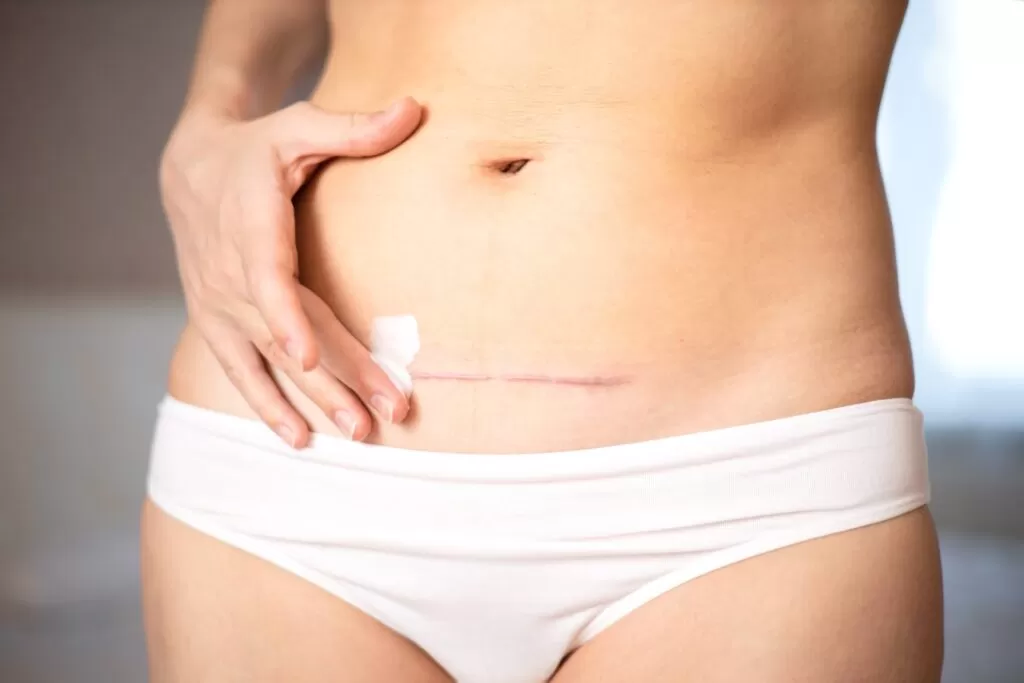
Scars are a natural part of the healing process, but not all scars heal in an aesthetically or functionally ideal way. In some cases, scars may become raised, widened, discolored, or irregular in texture and alignment. This is where Surgical Scar Revision in Dubai plays a significant role. It is a refined procedure designed to improve the appearance of scars by modifying their structure and helping them blend more seamlessly with the surrounding skin.
Understanding how surgical scar revision works requires a closer look at scar architecture—the internal and external organization of scar tissue—and how surgical techniques influence it.
Understanding Scar Architecture
Scar architecture refers to the structural organization of collagen fibers and tissue layers formed during the healing process. When the skin is injured, the body produces collagen to repair the damage. However, this collagen is often arranged in a dense, irregular pattern rather than the organized structure of normal skin.
Key characteristics of scar architecture include:
- Collagen fiber orientation: In scars, fibers are often aligned in a disorganized, parallel fashion rather than a basket-weave pattern.
- Tissue density: Scar tissue tends to be denser and less flexible than normal skin.
- Vascularity: Scars may have altered blood supply, affecting color and texture.
- Elasticity: Reduced elasticity can make scars feel tight or restrictive.
Surgical scar revision aims to modify these structural elements to create a more natural appearance and improve functional outcomes.
How Surgical Scar Revision Works
Surgical scar revision does not remove scars entirely but instead reshapes and reorganizes the scar tissue. The procedure focuses on altering the scar’s architecture in a way that minimizes its visibility and improves how it integrates with surrounding skin.
Key Techniques Used in Scar Revision
Different surgical methods are used depending on the scar type, location, and severity:
- Excision and re-closure: The scar is carefully removed, and the wound is re-sutured using advanced closure techniques to encourage better healing alignment.
- Z-plasty or W-plasty: These techniques reposition the scar along natural skin lines, breaking up straight scar lines and redistributing tension.
- Layered closure: The deeper layers of the skin are closed separately to reduce tension on the surface, improving the final scar structure.
- Skin grafting or flap techniques: In more complex cases, healthy tissue is repositioned to replace or support the scarred area.
How Scar Revision Alters Collagen Structure
One of the primary goals of surgical scar revision is to reorganize collagen fibers during the healing process. When a scar is revised surgically:
- The existing scar tissue is disrupted and removed or repositioned.
- The body initiates a new healing response, producing fresh collagen.
- This new collagen is more likely to align in a more organized pattern due to improved wound closure techniques.
- Reduced tension across the wound leads to less thickening and better scar maturation.
Over time, this results in a flatter, softer, and less noticeable scar.
Tension Redistribution and Its Impact
Tension plays a crucial role in how scars form and evolve. High tension on a healing wound can lead to widened or thickened scars. Surgical scar revision addresses this by:
- Realigning the direction of the scar with natural skin tension lines
- Using precise suturing techniques to distribute tension evenly
- Reducing mechanical stress on the healing tissue
By minimizing tension, the skin is able to heal more efficiently, producing a finer and more aesthetically pleasing scar.
Remodeling the Skin’s Surface and Texture
Another important aspect of scar architecture is the surface texture of the skin. Scar revision helps improve this by:
- Smoothing irregularities in the skin surface
- Reducing raised (hypertrophic) or sunken (atrophic) scar formations
- Improving pigmentation consistency over time
As the skin heals after revision, the epidermis and dermis reorganize, leading to a more uniform appearance.
Influence on Blood Supply and Healing
Scar tissue often has an altered vascular network compared to normal skin. Surgical revision can indirectly improve vascularization by:
- Encouraging the formation of new blood vessels during the healing phase
- Enhancing nutrient and oxygen delivery to the tissue
- Supporting healthier collagen production
Improved blood supply contributes to better healing and more stable scar formation.
Timing and Healing Phases
The success of Surgical Scar Revision in Dubai also depends on the timing of the procedure and the body’s healing phases:
- Inflammatory phase: Initial response after surgery where the body cleans the wound.
- Proliferative phase: New tissue and collagen begin forming.
- Remodeling phase: Collagen reorganizes and strengthens over time.
Scar revision essentially resets the healing process, allowing the body to rebuild the scar with improved structural alignment during these phases.
Factors That Influence Scar Architecture After Revision
Several factors can affect how effectively scar architecture is altered:
- Skin type and genetics
- Location of the scar
- Age of the scar
- Individual healing response
- Post-procedure care and adherence to guidelines
While surgical techniques significantly improve scar appearance, the body’s natural healing ability ultimately determines the final outcome.
Benefits of Surgical Scar Revision
When performed appropriately, scar revision can offer several advantages:
- Improved scar texture and contour
- Better alignment with natural skin lines
- Reduced visibility of scars
- Enhanced flexibility of the affected area
- Increased confidence in appearance
These benefits make scar revision a valuable option for individuals seeking to improve both cosmetic and functional aspects of scar tissue.
Conclusion
Surgical scar revision is a sophisticated approach that goes beyond simple cosmetic improvement. By altering the underlying architecture of scar tissue—collagen organization, tension distribution, vascularity, and surface texture—it helps create scars that are smoother, less noticeable, and more consistent with surrounding skin.
For individuals considering Surgical Scar Revision in Dubai, understanding how the procedure modifies scar architecture provides valuable insight into why it is effective. Rather than eliminating scars entirely, it strategically restructures them, allowing the body to heal in a more refined and balanced way.