
Fat transfer surgery has gained popularity worldwide, and Dubai is no exception. Known for its innovative cosmetic procedures, the city offers advanced techniques for individuals looking to enhance their natural contours safely. If you are considering Fat Transfer Surgery in Dubai, understanding the process and safety measures is essential. This article explores how the procedure is performed, the safety protocols involved, and what patients can expect during recovery.
What Is Fat Transfer Surgery?
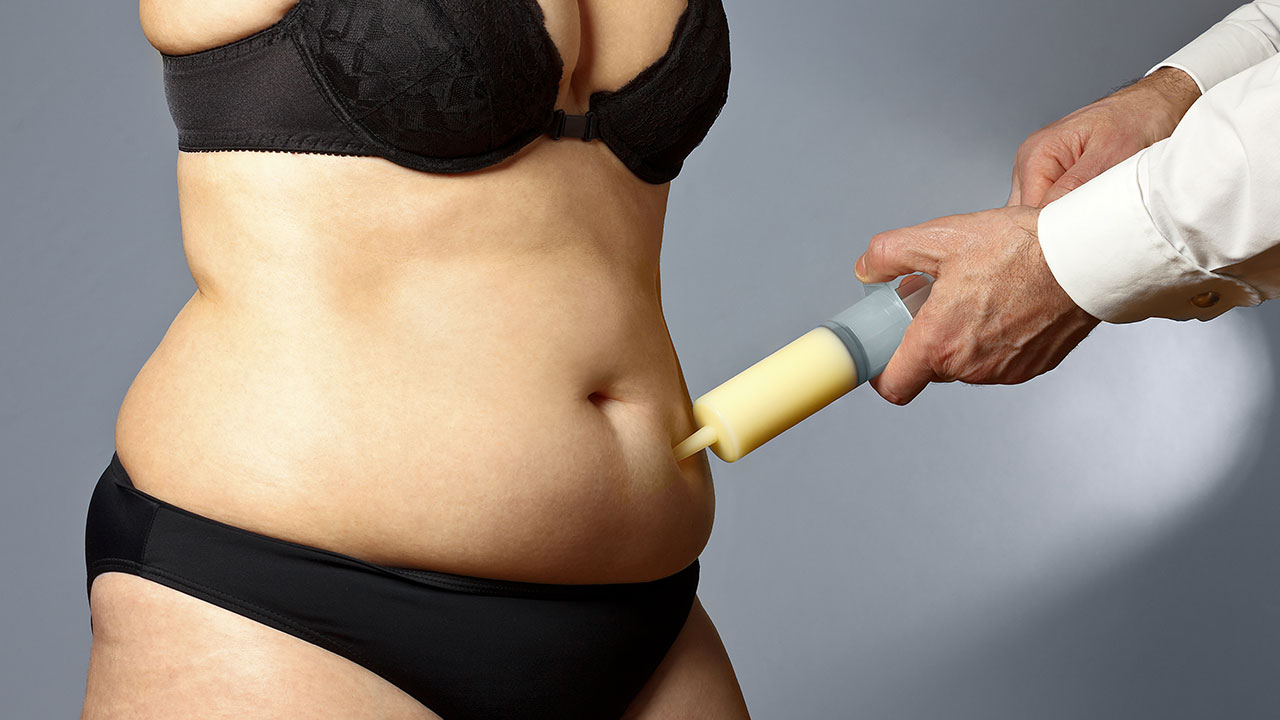
Fat transfer surgery, also known as fat grafting or lipofilling, is a cosmetic procedure that involves removing fat from one part of the body and injecting it into another to enhance volume, improve shape, or restore a youthful appearance. Common areas for fat transfer include the face, breasts, buttocks, and hands.
The procedure is particularly appealing because it uses the patient’s own fat, reducing the risk of allergic reactions or complications associated with synthetic fillers. This natural approach contributes to a more harmonious and long-lasting result.
The Importance of Safety in Fat Transfer Surgery
Safety is a primary concern in any cosmetic procedure. For Fat Transfer Surgery in Dubai, clinics follow internationally recognized standards to ensure patient well-being. The procedure is typically performed in accredited surgical facilities with advanced sterilization and monitoring equipment.
Key safety considerations include:
Proper patient evaluation: Patients undergo a thorough medical assessment to determine their suitability for fat transfer. This includes reviewing medical history, lifestyle factors, and expectations.
Experienced surgical team: Only trained professionals perform the fat harvesting and injection process to minimize risks.
Sterile environment: Strict sterilization protocols prevent infections and ensure a smooth recovery.
Use of local or general anesthesia: Anesthesia is administered by qualified anesthesiologists, with continuous monitoring of vital signs.
Step-by-Step Process of Fat Transfer Surgery
Understanding the procedure helps patients feel more confident and prepared. Here’s a breakdown of how Fat Transfer Surgery in Dubai is performed safely:
1. Consultation and Planning
Every fat transfer surgery begins with a detailed consultation. During this stage, the surgeon assesses the areas of fat harvesting and target areas for enhancement. Personalized plans ensure natural results and minimize unnecessary risk.
2. Fat Harvesting
Fat is usually harvested from areas with excess deposits, such as the abdomen, thighs, or flanks. A small, specialized cannula is used to gently extract the fat with minimal trauma to the surrounding tissue. This technique preserves the quality of the fat for transfer.
3. Purification and Processing
After harvesting, the fat is processed to remove blood, oil, and other impurities. This step ensures that only healthy fat cells are used, reducing the likelihood of complications and promoting better survival of the transferred fat.
4. Fat Injection
The purified fat is carefully injected into the target areas using precise techniques. Multiple small injections are performed to create a natural-looking contour and improve the integration of fat with existing tissues. The meticulous approach ensures even distribution and reduces the risk of lumps or asymmetry.
5. Post-Procedure Care
After surgery, patients receive instructions on how to care for the treated areas. Common guidelines include:
Wearing compression garments if necessary
Avoiding strenuous activity for a few weeks
Following a healthy diet and hydration routine
Attending follow-up appointments to monitor progress
Minimizing Risks and Ensuring Longevity
While fat transfer is generally safe, certain practices improve outcomes and reduce risks:
Choosing a qualified surgical center: Accredited facilities in Dubai adhere to high safety standards.
Following pre- and post-operative instructions: Proper care before and after surgery aids healing and enhances fat retention.
Realistic expectations: Understanding that some fat absorption may occur over time helps patients achieve satisfaction with long-term results.
Why Dubai Is a Preferred Destination for Fat Transfer Surgery
Dubai has emerged as a hub for cosmetic procedures due to its state-of-the-art medical facilities, skilled surgeons, and commitment to patient safety. Those considering Fat Transfer Surgery in Dubai benefit from:
Advanced technology and minimally invasive techniques
Multilingual medical teams catering to international patients
Access to comprehensive pre- and post-operative care
A reputation for maintaining high safety and hygiene standards
Conclusion
Fat transfer surgery offers a natural, effective way to enhance body contours and restore youthful volume. When performed in a safe, controlled environment, the procedure can yield impressive, long-lasting results.
For residents and visitors in Dubai, choosing a trusted clinic that prioritizes safety, expertise, and patient satisfaction is essential. By understanding the step-by-step process and adhering to recommended care, individuals can enjoy the benefits of Fat Transfer Surgery in Dubai confidently and safely.