
Gallbladder stones, also known as gallstones, are hardened deposits that form inside the gallbladder and can lead to severe abdominal pain, digestive discomfort, nausea, and complications if left untreated. When symptoms become persistent or complications arise, surgery is often recommended as the most effective treatment. For individuals seeking reliable medical solutions, Gallbladder Stones Surgery in Dubai has become a commonly discussed option due to the availability of advanced surgical techniques and modern healthcare facilities.
This article explains how gallbladder stone surgery is performed, the types of procedures involved, and what patients can generally expect before, during, and after the operation.
Understanding Gallbladder Stones
The gallbladder is a small organ located beneath the liver that stores bile, a digestive fluid that helps break down fats. Gallstones form when substances in bile—such as cholesterol or bilirubin—harden into stone-like structures.
Common symptoms that may indicate the need for surgery include:
- Sharp pain in the upper right abdomen
- Pain after eating fatty meals
- Nausea or vomiting
- Bloating and indigestion
- Fever (in case of infection)
When these symptoms interfere with daily life or complications develop, surgical removal of the gallbladder is often the recommended solution.
Types of Gallbladder Surgery
Gallbladder removal surgery is medically known as a cholecystectomy. There are two primary methods used:
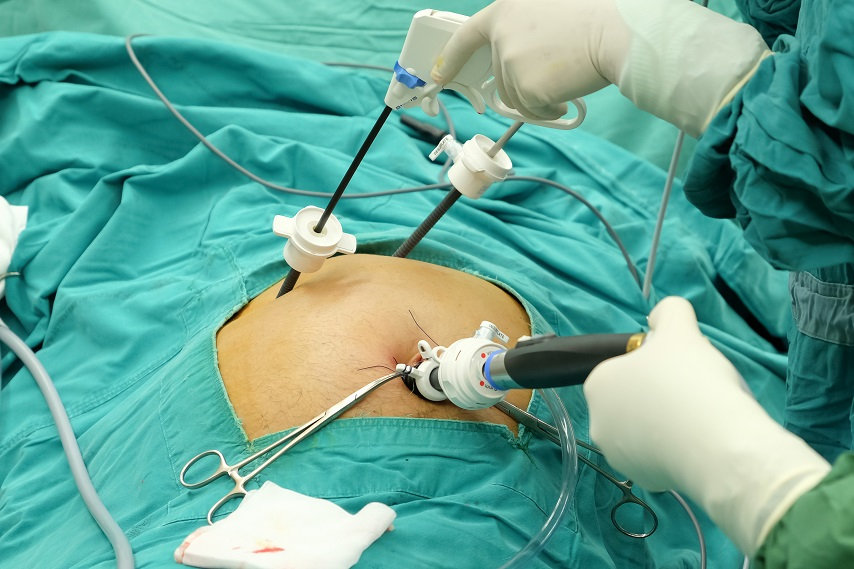
1. Laparoscopic Cholecystectomy (Minimally Invasive)
This is the most common and preferred method for treating gallstones.
How it is performed:
- The surgeon makes several small incisions in the abdomen
- A tiny camera (laparoscope) is inserted through one incision
- Specialized surgical instruments are used through the other incisions
- The surgeon views the internal organs on a monitor and carefully removes the gallbladder
- The incisions are then closed with sutures or surgical tape
Advantages:
- Smaller incisions
- Less post-operative pain
- Faster recovery time
- Minimal scarring
- Shorter hospital stay
Laparoscopic surgery is widely used for Gallbladder Stones Surgery in Dubai due to its effectiveness and patient-friendly recovery process.
2. Open Cholecystectomy
In some cases, open surgery may be required, especially if complications arise or if laparoscopic surgery is not suitable.
How it is performed:
- A larger incision is made in the abdomen
- The surgeon directly accesses and removes the gallbladder
- The incision is then stitched and dressed
When it is used:
- Severe inflammation or infection
- Scar tissue from previous surgeries
- Complicated gallstone conditions
Although less common today, open surgery remains an important option in certain medical situations.
Step-by-Step Surgical Procedure
Regardless of the method used, gallbladder surgery generally follows these steps:
1. Pre-Surgical Evaluation
Before surgery, patients undergo a series of medical assessments such as:
- Blood tests
- Ultrasound imaging
- Physical examination
- Review of medical history
These evaluations help determine the severity of the condition and the most appropriate surgical approach.
2. Anesthesia Administration
Gallbladder surgery is performed under general anesthesia, meaning the patient is fully asleep and does not feel pain during the procedure.
3. Surgical Removal of the Gallbladder
- The surgeon accesses the gallbladder using either laparoscopic tools or an open incision
- The cystic duct and blood vessels connected to the gallbladder are carefully clipped and cut
- The gallbladder is then removed from the body
In laparoscopic procedures, the gallbladder is typically removed through one of the small incisions.
4. Closing the Incisions
- Small incisions are closed using stitches, staples, or surgical glue
- A dressing is applied to protect the wound and support healing
Recovery After Surgery
Recovery depends on the type of surgery performed.
After Laparoscopic Surgery:
- Most patients can go home the same day or within 24 hours
- Normal activities can often be resumed within a week
- Mild discomfort or shoulder pain (due to gas used during surgery) may occur temporarily
After Open Surgery:
- Hospital stay may last several days
- Recovery period is longer, often several weeks
- Physical activity is limited during initial healing
Possible Risks and Considerations
Like any surgical procedure, gallbladder removal may involve certain risks, including:
- Infection at the incision site
- Bleeding
- Bile leakage
- Injury to nearby organs
- Blood clots (rare)
However, these complications are uncommon, especially when the procedure is performed by experienced surgical teams.
Life After Gallbladder Removal
The gallbladder is not essential for survival, and most people live normal, healthy lives after its removal. The liver continues to produce bile, which flows directly into the small intestine.
Some post-surgery adjustments may include:
- Eating smaller, more frequent meals
- Avoiding very fatty or greasy foods initially
- Gradually returning to a regular diet
- Maintaining a balanced and healthy lifestyle
Over time, the body adapts, and digestion typically returns to normal.
Conclusion
Gallbladder stone surgery is a safe and effective treatment for individuals suffering from painful or complicated gallstones. The most common method, laparoscopic cholecystectomy, offers a minimally invasive approach with quicker recovery and minimal discomfort. In more complex cases, open surgery may be required.
For those considering Gallbladder Stones Surgery in Dubai, understanding the surgical process can help in making informed decisions and preparing mentally and physically for the procedure. With modern surgical techniques and advanced medical care, patients can expect efficient treatment and a smooth recovery journey.