
Juvederm filler is widely used for facial contouring and rejuvenation, but understanding safe and unsafe injection zones is essential before undergoing any aesthetic procedure such as Juvederm Filler in Dubai. While this treatment can enhance volume and smooth wrinkles effectively, not every area of the face or body is suitable for dermal filler injections. Certain regions carry higher risks of complications, including vascular blockage, uneven results, or long-term tissue damage. Knowing where Juvederm should be avoided helps ensure safer and more natural-looking outcomes.
This guide explores the key areas where Juvederm filler should generally not be injected, why these restrictions exist, and what safer alternatives are typically considered.
Understanding Why Certain Areas Are Risky for Juvederm
Juvederm is made of hyaluronic acid, a naturally occurring substance in the skin that attracts moisture and adds volume. Despite its safety profile, complications can occur if it is placed in anatomically sensitive areas.
High Vascular Risk Zones
Some regions of the face contain a dense network of blood vessels located close to the skin’s surface. Injecting filler in these zones increases the risk of accidentally blocking blood flow, which can lead to serious complications.
Thin or Delicate Skin Areas
Certain facial regions have extremely thin skin with minimal fat or structural support. In these areas, filler may appear unnatural, visible, or cause irregular texture.
Dynamic Movement Areas
Zones that move excessively due to facial expressions are not ideal for filler placement. Constant motion can shift the product, leading to asymmetry or lump formation over time.
Understanding these structural factors is key to recognizing why filler placement must always be carefully planned.
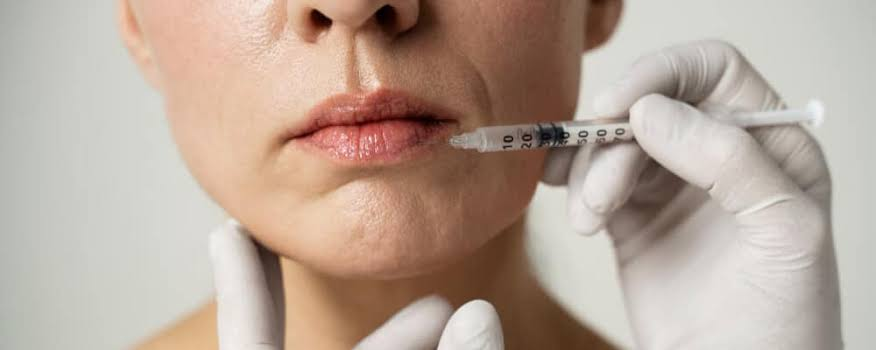
Areas on the Face Where Juvederm Should Be Avoided
While Juvederm can be used in many parts of the face, some zones are generally considered high-risk or unsuitable.
Around the Glabella (Between the Eyebrows)
The glabellar region is one of the most sensitive areas due to its complex blood supply. This area connects directly to vessels that supply the eyes and forehead.
Injecting filler here carries a higher risk of vascular complications. Even small amounts can lead to unwanted pressure on blood vessels. For this reason, this region is typically approached with extreme caution or avoided entirely depending on individual anatomy.
Nasal Tip and Nose Bridge
The nose is another high-risk zone due to its limited blood circulation and tight vascular pathways.
Why the Nose Is Risky:
- Blood vessels are tightly interconnected
- Skin is thin and tightly attached to cartilage
- Small errors can lead to visible irregularities
Injecting filler into the nasal tip or bridge can sometimes result in asymmetry, skin discoloration, or in rare cases, compromised blood flow. Because of this, many professionals avoid using fillers in this area unless absolutely necessary.
Under-Eye Tear Trough (In Certain Cases)
The tear trough area is popular for rejuvenation, but it is also one of the most delicate regions.
Concerns in This Area:
- Extremely thin skin
- High visibility of product placement
- Risk of puffiness or swelling
While some cases may allow careful treatment, this region is not universally suitable for Juvederm. Improper placement can result in a puffy or overfilled appearance, making the under-eye area look worse rather than refreshed.
Forehead Region
The forehead contains important blood vessels and has very little subcutaneous fat. This combination makes it an unsuitable area for filler placement in most cases.
Risks Include:
- Uneven surface appearance
- Risk of vascular compression
- Unnatural contour changes
Because of its smooth structure and mobility, filler tends not to integrate well in this area.
Areas in the Lips That Require Caution
The lips are commonly treated with Juvederm, but not all parts of the lip are equally safe for injection.
Vermillion Border Extremes
The outermost edges of the lips require precise technique. Overfilling or incorrect placement can lead to:
- Blurred lip borders
- Uneven shape
- Migration of filler outside the lip line
This is why extreme caution is needed when enhancing lip edges.
Central Lip Interior Overfilling
Overfilling the central lip area can result in an unnatural, overly projected look. While mild enhancement is common, excessive filler in this region may reduce natural lip movement and expression.
Body Areas Where Juvederm Is Not Recommended
Although Juvederm is primarily designed for facial use, some may consider it for body enhancement. However, several body areas are not suitable due to safety and structural concerns.
Hands with Severe Volume Loss
While some dermal fillers are used in the hands, Juvederm may not always be the ideal choice for deep volume restoration in advanced cases.
Chest and Decolletage
The chest area has thin skin and is exposed to constant movement. This makes it a challenging region for filler placement, often leading to uneven results or product visibility.
Large Surface Body Contouring
Juvederm is not designed for large-scale body sculpting. Using it in such areas can lead to irregular texture and poor longevity.
Why Avoiding Certain Areas Is Essential for Safety
Avoiding high-risk injection zones is not just about aesthetics—it is about preventing complications.
Key Safety Concerns Include:
- Vascular occlusion (blockage of blood flow)
- Tissue damage due to restricted circulation
- Lump formation or uneven texture
- Migration of filler from the injection site
Understanding these risks helps ensure that treatment decisions prioritize long-term safety and natural results.
How Safe Treatment Areas Are Determined
Each face is anatomically unique, meaning that filler suitability varies from person to person.
Individual Facial Structure
Bone structure, skin thickness, and fat distribution all influence where filler can be safely used.
Muscle Movement Patterns
Areas with strong repetitive movement may not hold filler well, increasing the risk of uneven results.
Skin Elasticity
More elastic skin may tolerate filler better, while thin or fragile skin requires more caution.
Importance of Conservative Filler Placement
One of the most important principles in aesthetic treatments is subtlety. Overfilling or treating unsuitable areas often leads to unnatural results that are difficult to correct.
Benefits of Conservative Approach:
- More natural facial harmony
- Reduced risk of complications
- Longer-lasting aesthetic balance
- Easier adjustments over time
A gradual approach often produces the most aesthetically pleasing and safe outcomes.
Final Thoughts
Juvederm can deliver impressive rejuvenation and facial enhancement results, but it is not suitable for every facial or body area. High-risk zones such as the glabella, nose, and certain delicate regions of the face require careful consideration or complete avoidance. Understanding these limitations is essential for achieving safe, balanced, and natural-looking results.
When used responsibly, with respect for facial anatomy and proper placement guidelines, dermal fillers can enhance appearance without compromising safety.