
Hair concerns are becoming increasingly common across different age groups and lifestyles, leading many people to explore advanced non-surgical solutions such as hair plasma treatment dubai. This innovative approach has gained attention for its ability to support natural hair restoration processes using the body’s own biological components. But the real question many people ask is: who exactly can benefit from it, and is it suitable for everyone experiencing hair issues?
To understand this better, it’s important to explore how the treatment works, what types of hair concerns it may address, and which individuals are most likely to see noticeable improvements.
Understanding Hair Plasma Treatment and Its Purpose
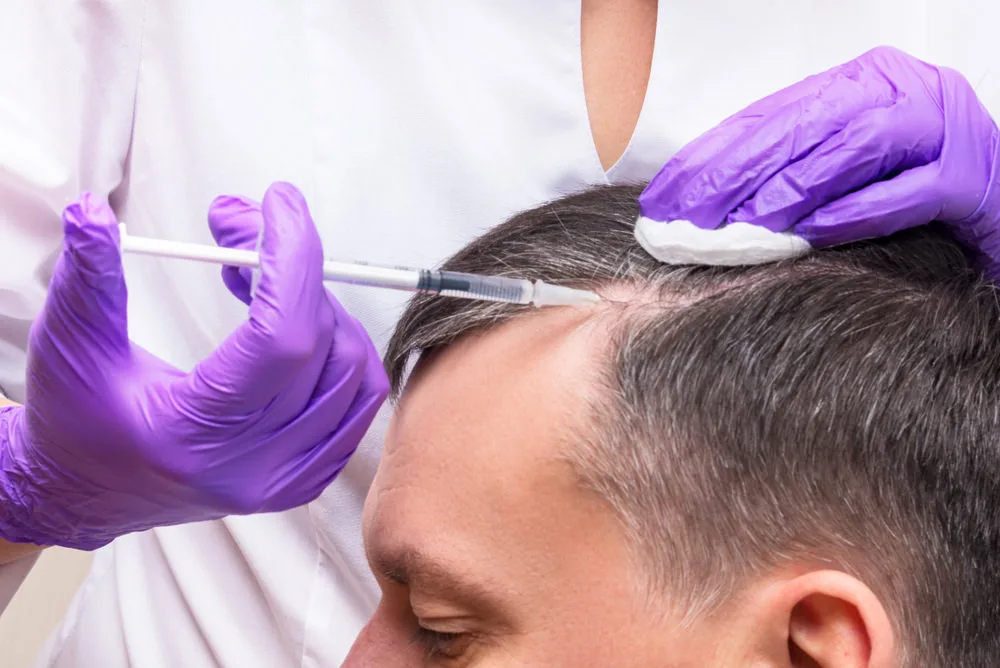
Hair plasma treatment is a regenerative approach that uses components derived from the individual’s own blood to stimulate and support the scalp environment. The goal is to encourage healthier hair growth, improve hair thickness, and strengthen existing strands.
Unlike traditional cosmetic solutions that only focus on external appearance, this method works on a deeper level by supporting the natural hair cycle. It targets weakened follicles and aims to revitalize them, making it appealing for individuals looking for a more natural-based approach to hair improvement.
This treatment is often chosen by people who prefer non-surgical methods and want to work with their body’s natural healing properties instead of relying on synthetic solutions.
Who Can Benefit From Hair Plasma Treatment?
Hair plasma treatment is not limited to one specific group of people. Instead, it may benefit a wide range of individuals experiencing different types of hair concerns. Below are the most common categories of people who may find it helpful.
Individuals Experiencing Early Hair Thinning
One of the most common groups that may benefit includes those who are noticing early signs of hair thinning. This can appear as reduced volume, widening parts, or overall loss of density.
At this stage, hair follicles are often still active but weakened. Supporting them early can help improve their strength and slow down visible thinning. Many people choose this option as a preventive step before hair loss becomes more noticeable.
People Dealing With Genetic Hair Weakness
Some individuals naturally have a genetic tendency toward finer or weaker hair strands. Over time, this can lead to reduced density or gradual thinning.
Hair plasma-based approaches may help improve the condition of existing follicles, supporting stronger and thicker-looking hair over time. While genetic factors cannot be completely changed, enhancing scalp health can make a noticeable difference in appearance and texture.
Those Experiencing Stress-Related Hair Changes
Modern lifestyles often bring high levels of stress, which can affect the natural hair growth cycle. This may result in temporary shedding or reduced hair quality.
Individuals going through stressful phases—whether due to work pressure, lifestyle changes, or emotional strain—may notice their hair becoming more fragile. In such cases, supporting scalp recovery can be beneficial in helping restore balance and encouraging healthier regrowth patterns.
Postpartum Hair Changes in Women
After childbirth, many women experience noticeable changes in hair texture and volume. This is often temporary but can still be distressing.
Hair plasma treatment may support the natural recovery process by strengthening weakened follicles and encouraging a return to healthier growth cycles. It is often considered by women who want to regain confidence in their hair after postpartum shedding phases.
People With Mild to Moderate Hair Shedding
Hair shedding can occur for many reasons, including seasonal changes, diet shifts, or lifestyle factors. When shedding is not severe but still noticeable, individuals often look for supportive treatments that help stabilize hair health.
This approach may assist in reducing excessive shedding by improving scalp condition and strengthening the roots. It is typically more effective when the follicles are still active and not completely dormant.
Individuals Seeking Healthier Hair Texture and Volume
Not everyone seeking hair improvement is dealing with hair loss. Some people simply want thicker, fuller, or healthier-looking hair.
Hair plasma-based methods can be appealing for those who want to enhance overall hair quality, improve texture, and boost natural shine. It is often chosen as a proactive wellness treatment rather than a corrective one.
Factors That Influence Suitability
While many people may benefit, results can vary depending on several personal factors. Understanding these helps set realistic expectations.
Scalp Condition
A healthy scalp environment is essential for supporting hair improvement. Individuals with generally stable scalp conditions tend to respond better compared to those with more advanced scalp issues.
Stage of Hair Concerns
Early intervention often leads to more noticeable improvements. Those in the initial stages of hair thinning or shedding may see better outcomes compared to individuals with long-term hair loss patterns.
Lifestyle Habits
Diet, stress levels, sleep quality, and daily habits can all influence hair health. People who maintain balanced lifestyles often experience more consistent improvements over time.
Who May Not Be the Ideal Candidate?
While many people may find benefits, not everyone is equally suited for this approach. Individuals with completely inactive follicles or advanced long-term hair loss may have limited response, as the treatment primarily supports existing hair structures rather than regenerating completely lost follicles.
This is why early assessment of hair condition is important before choosing any regenerative method.
What Makes This Approach Appealing?
One of the key reasons people are drawn to this method is its natural foundation. Since it works with the body’s own biological components, it feels more aligned with holistic wellness approaches.
It is also minimally invasive compared to more intensive procedures, making it attractive to individuals who prefer gradual improvement rather than dramatic interventions.
Additionally, it can be tailored to different hair concerns, whether the goal is restoration, strengthening, or maintenance.
Final Thoughts
Hair plasma-based treatments continue to grow in popularity because they offer a flexible and natural-supportive option for people dealing with different types of hair concerns. From early thinning and stress-related shedding to postpartum changes and general hair weakness, a wide range of individuals may potentially benefit.
However, understanding personal hair condition is essential before expecting results. The most effective outcomes are often seen in individuals who take early action, maintain healthy habits, and have active hair follicles that can respond to supportive care.
Ultimately, this approach represents a modern shift toward regenerative hair care—focused not just on appearance, but on improving the underlying health of the hair and scalp.