
Skin health plays a vital role in overall well-being, yet many people are unsure about which healthcare professional is responsible for diagnosing and treating skin conditions. Whether dealing with acne, eczema, psoriasis, or more complex dermatological issues, understanding who prescribes skin disease treatments is essential for receiving proper care. This is especially relevant for individuals seeking Skin Diseases Treatment in Dubai, where access to qualified professionals and advanced medical care is widely available.
Understanding Skin Diseases and Their Impact
Skin diseases encompass a wide range of conditions affecting the skin, hair, and nails. These conditions can be temporary or chronic and may vary in severity from mild irritation to serious medical disorders.
Common skin conditions include:
- Acne and acne scars
- Eczema (atopic dermatitis)
- Psoriasis
- Fungal infections
- Rosacea
- Vitiligo
- Allergic skin reactions
- Skin infections caused by bacteria or viruses
While some skin issues may resolve on their own, many require professional evaluation and medical treatment to prevent complications or recurrence.
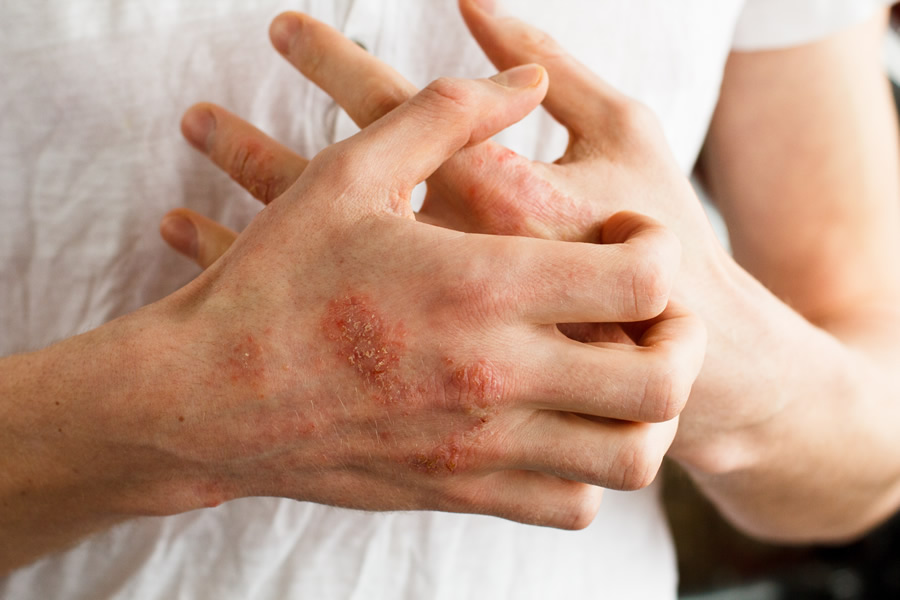
Who Is Qualified to Diagnose Skin Diseases?
The primary medical professionals responsible for diagnosing and treating skin conditions are dermatologists. A dermatologist is a doctor who specializes in skin, hair, and nail disorders. They undergo extensive medical training followed by specialized education in dermatology.
Dermatologists are qualified to:
- Diagnose a wide range of skin conditions
- Prescribe medications (topical, oral, or injectable)
- Perform medical procedures related to skin treatment
- Recommend preventive skincare strategies
- Manage chronic skin diseases
For individuals seeking Skin Diseases Treatment in Dubai, dermatologists are typically the first point of contact for accurate diagnosis and tailored treatment plans.
Role of General Practitioners in Skin Care
General practitioners (GPs) or family doctors can also play an important role in managing skin conditions, especially in the early stages. They are often the first healthcare providers patients consult for common skin concerns.
GPs can:
- Assess basic skin issues
- Prescribe medications for mild conditions
- Refer patients to dermatologists if the condition requires specialized care
However, for persistent, complex, or severe skin diseases, a referral to a dermatologist is usually recommended.
When Should You See a Dermatologist?
Not all skin concerns require specialist care, but certain symptoms indicate the need for a dermatologist’s expertise. You should consider consulting a dermatologist if you experience:
- Persistent or worsening skin conditions
- Unusual rashes or lesions
- Severe acne that does not respond to over-the-counter treatments
- Changes in moles or skin pigmentation
- Chronic itching, redness, or inflammation
- Suspected infections that do not improve
- Hair loss or nail abnormalities
Early consultation ensures timely diagnosis and reduces the risk of complications.
Types of Treatments Prescribed by Dermatologists
Dermatologists use a variety of treatment approaches depending on the condition and its severity. These treatments may include:
1. Topical Medications
Creams, gels, and ointments applied directly to the skin are commonly prescribed for conditions such as acne, eczema, and fungal infections. These may contain anti-inflammatory, antifungal, or antibacterial agents.
2. Oral Medications
For more severe or widespread conditions, oral medications may be prescribed. These can include antibiotics, antihistamines, antifungals, or medications that regulate the immune system.
3. Injectable Treatments
In some cases, injectable therapies may be used for conditions like psoriasis or severe allergic reactions.
4. Procedural Treatments
Dermatologists may perform minor procedures such as:
- Cryotherapy (freezing lesions)
- Laser therapy
- Chemical peels
- Biopsies for diagnostic purposes
- Removal of warts, cysts, or moles
These procedures are often part of comprehensive Skin Diseases Treatment in Dubai, where advanced dermatological technologies are widely utilized.
Importance of Accurate Diagnosis
Skin conditions often have similar symptoms but require different treatments. For example, a rash could be caused by an allergy, infection, or autoimmune condition. Misdiagnosis can lead to ineffective treatment or worsening of the condition.
Dermatologists use various diagnostic tools such as:
- Physical examination
- Medical history review
- Skin patch testing for allergies
- Skin biopsies
- Laboratory tests
Accurate diagnosis ensures that the prescribed treatment addresses the root cause rather than just the symptoms.
Personalized Treatment Plans
One of the key advantages of consulting a dermatologist is receiving a personalized treatment plan. Each patient’s skin type, medical history, lifestyle, and environmental factors are considered before prescribing treatment.
For those seeking Skin Diseases Treatment in Dubai, personalized care is particularly important due to diverse environmental conditions such as heat, humidity, and sun exposure, which can influence skin health.
Role of Preventive Care in Skin Health
In addition to prescribing treatments, dermatologists emphasize preventive care to maintain healthy skin and avoid recurrence of conditions. Preventive recommendations may include:
- Proper skincare routines
- Sun protection measures
- Dietary guidance
- Lifestyle modifications
- Avoidance of known triggers
Preventive care is an essential component of long-term skin management.
Multidisciplinary Approach in Complex Cases
Some skin diseases are linked to internal health conditions such as hormonal imbalances, autoimmune disorders, or allergies. In such cases, dermatologists may collaborate with other specialists like endocrinologists, allergists, or immunologists to provide comprehensive care.
This multidisciplinary approach ensures that both the symptoms and underlying causes are addressed effectively.
Conclusion
Skin diseases require proper medical attention to ensure accurate diagnosis and effective treatment. Dermatologists are the primary professionals who prescribe treatments for skin conditions, supported by general practitioners who handle initial assessments and referrals.
For individuals seeking Skin Diseases Treatment in Dubai, consulting a qualified dermatologist is the most reliable way to receive expert evaluation, appropriate medication, and tailored care. With the right professional guidance, most skin conditions can be managed successfully, improving both skin health and overall quality of life.
Understanding who to consult and when to seek help empowers patients to take proactive steps toward maintaining healthy skin and preventing complications.